
Yoga is a wonderful mat-based practice that combines strength, length, breath and focus to provide you space to improve your body and spirit. I lead a variety of styles of yoga practices, so make sure to check the class descriptions to find the video that best fits your interests!
Here is a breakdown of the styles of Yoga you will find in my library:
> Flow… also known as Vinyasa. This practice links the movement of postures with breath. You will move to the rhythm of your breath – it is an amazing way to center your focus, discover how to quiet your mind, and raise your heart rate! Class will begin with breath work and gentle warm up postures, then you will build heat as you move through combinations of postures. This style will leave you feeling invigorated!
> Morning Movement. This is an amazing way to greet your day! This is a gentle practice designed to slowly awaken the body and build internal heat. And regardless of the name, this practice is appropriate any time you need a little rejuvenation – no matter what time of day it is!
> Power. This style is for those looking to find or push their boundaries. Power is best suited for those with a good foundation in Yoga postures, and not ideal for beginners. Classes will include challenging postures, combinations, inversions, flows, and/or calisthenics. Don’t be surprised when you work up a SWEAT in this class! And I can’t promise there won’t be crunches, squats, or even the occasional jumping jack in my class. But check the title – that’s what you came for.
> Restorative. This practice involves ALL the props. Blankets, Blocks, Bolsters, Straps, Towels, Fuzzy Socks…. oh yes, ALL the things! This practice involves just a few postures, but each one held for upwards of 5-7 minutes. The long holds allow for release in muscles and connective tissues, meditative breathwork, and a decrease in stress levels. This style of practice is a compliment to your cardio and strength workouts.
Skill Level?
> Beginner – A practice for anyone stepping onto their mat for the first time, and a great place for those returning to their mat after a hiatus. I offer a lot of verbal and visual instruction for each posture. Some classes may include the use of a Chair or Bolster (a throw pillow is a good substitute for a Yoga Bolster).
> All-Levels – A practice with a lot of verbal instruction to educate the proper form for each posture. Modifications and Progressions are offered throughout, so you can move in a way that feels best to you and your needs.
> Intermediate – A practice with less form/posture instruction, and appropriate for those with previous/current Yoga experience. This practice is best for those who can follow cues without a visual aid. Modifications and Progressions will be offered throughout. Inversions and Balances will be included.
Before you get going on your mat, here are some considerations for you:
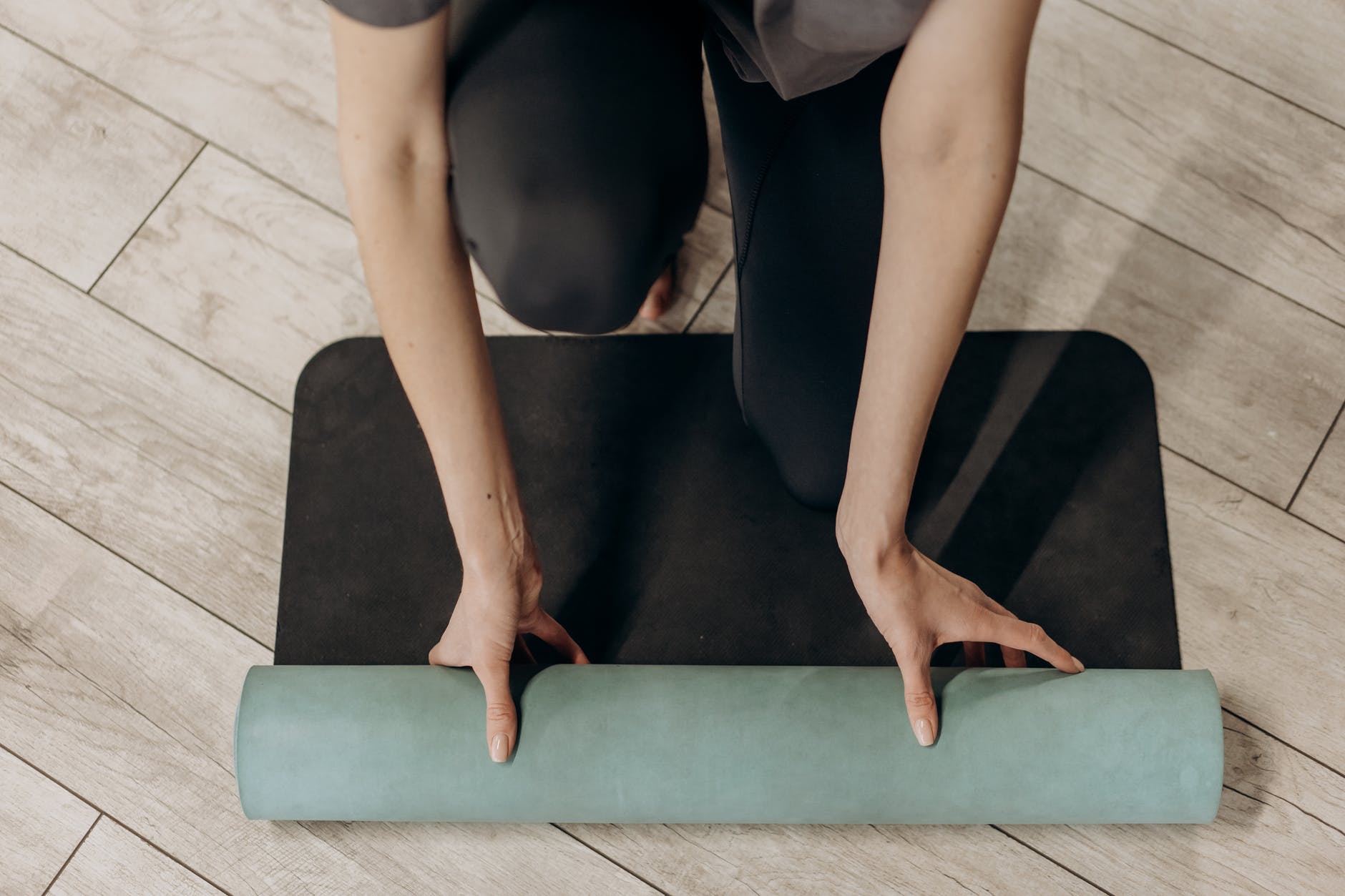
- Invest in a quality Mat. Whether it is for Yoga or for your TBX workouts, a proper base will yield more quality movement for you! I suggest a Yoga mat that is dense (not foamy or soft), is long and wide enough for your whole body to fit on while lying down, and provides a slightly tacky surface to ensure proper grip for your bare hands and feet. I really love my Manduka PRO mat! Picking up a quality mat really changed my practice.
- Level up. While investment is on the mind, grab yourself a pair of yoga blocks! These handy tools are really key to finding your best shape in a yoga posture. They are useful if you need a little help with balancing, or if you are experiencing some limited range of motion with flexibility! I use my blocks in nearly every.single.practice I do. Trust me. Put your ego in the back seat, and let your blocks sit shot gun for your practice.
- Cushion your joints. A yoga blanket: this seemingly unnecessary of props is the secret to floor postures! You won’t know until you know. If you want to see for yourself and don’t have a yoga blanket, I suggest using a thick beach towel or a dense throw blanket for your next practice. Kneel on it, place it under your shoulder/neck/head when you lay down, put it under your knee when you do a supine spinal twist, place it under your knees during svasana – or (best ever) lay it across your lap or cover your whole damn self during svasana. You’re welcome.
- Strap up. A yoga strap is a handy addition that can give you proper leverage for hamstring stretches, a solid hold in supportive and restorative postures, and a little extra arm length in binds. My Cow Face pose is only accessible to me because of my yoga strap!
- Bump it. A yoga bolster is a dense pillow-like prop. This is used in Restorative practices, and can serve as seat for your meditation practices as well.
Props are just that – props to help you and your practice. Do you NEED them? Maybe not. But it’s kind of like the seat adjustment in your car. You can operate the vehicle and drive, sure – but when you can use the adjustment knobs/levers to comfortably position yourself, you have a much better (and authentically safe) experience!
Choose a Format below to get started
- Flow
- Morning Movement
- Power – COMING SOON
- Restorative – COMING SOON
 ernafit